
Uncategorized
Common Health Issues in Bernedoodle Puppies & How to Prevent Them
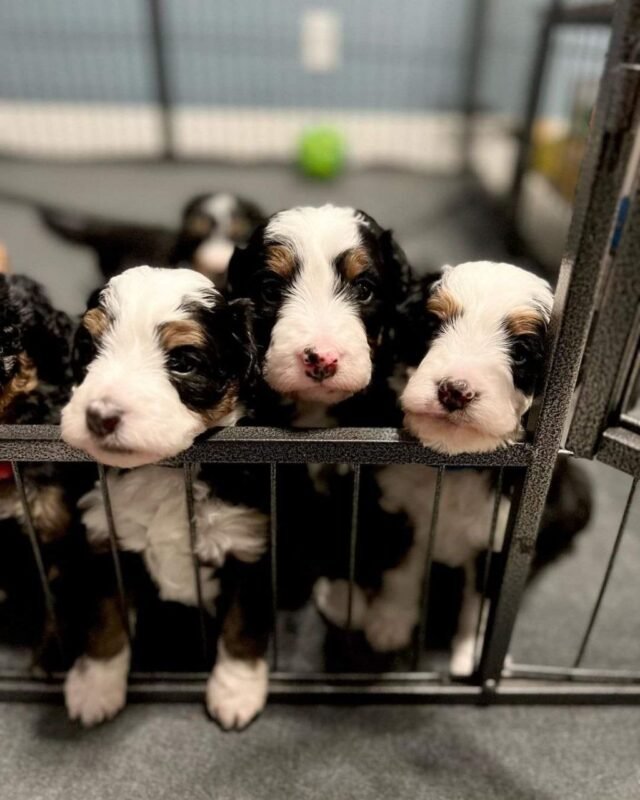
Common Health Issues in Bernedoodle Puppies & How to Prevent Bernedoodle Health and Wellness Guide
Bernedoodle puppies are incredibly intelligent, affectionate, and full of playful energy. Because of their Bernese Mountain Dog and Poodle heritage, they sometimes inherit specific health concerns. However, when you understand these risks and stay proactive, you can help your Bernedoodle live a long, happy, and healthy life.
Hip and Elbow Dysplasia
Hip and elbow dysplasia occur when the joints develop unevenly. As a result, discomfort, stiffness, or arthritis may appear as your dog grows. Fortunately, early prevention and smart care can make a big difference.
Signs to watch for:
• Limping or uneven movement
• Difficulty climbing or standing
• Bunny-hopping gait
• Reduced energy or reluctance to play
Prevention and management:
Because weight plays a big role, always keep your Bernedoodle fit and lean. In addition, choose a breeder who performs hip and elbow screenings on every parent dog. Regular, gentle exercise such as swimming or walking on soft ground supports strong joints. Furthermore, your veterinarian can recommend joint supplements that promote flexibility and comfort.
Eye Conditions
Bernedoodles may occasionally develop inherited eye conditions such as cataracts or progressive retinal atrophy. Even though these issues sound serious, they are manageable with consistent care and early detection.
Prevention and care tips:
First, choose a breeder with certified eye clearances. Next, schedule annual eye exams to track changes. Moreover, clean the eye area gently to avoid irritation. Finally, if you notice cloudiness, excessive tearing, or unusual blinking, contact your vet immediately.
Allergies and Skin Sensitivities
Since Bernedoodles have thick, curly coats, they sometimes experience itchiness or mild allergic reactions. Thankfully, good grooming and nutrition prevent most skin problems before they start.
Prevention and management:
Always feed your Bernedoodle a balanced, high-quality diet rich in omega fatty acids. Additionally, brush the coat several times each week to remove dirt and allergens. When bathing, choose mild, hypoallergenic shampoos. Furthermore, check for fleas or dry patches since early detection makes treatment easier.
Von Willebrand’s Disease
Von Willebrand’s Disease is a rare but important genetic bleeding disorder. Because it affects the blood’s ability to clot, awareness and testing are essential.
Signs to watch for:
• Unusual bruising or bleeding gums
• Nosebleeds without clear cause
• Prolonged bleeding from small cuts
Prevention and management:
Before adoption, always request genetic testing results. During vet visits, mention if your Bernedoodle might be at risk. Additionally, observe your puppy for unexpected bleeding, since early care ensures safety and comfort.
Degenerative Myelopathy and Spinal Issues
Because of their Bernese lineage, Bernedoodles can sometimes face spinal challenges such as degenerative myelopathy. Fortunately, the right exercise and healthy weight maintenance reduce the likelihood of problems.
Prevention and care:
Select breeders who test for spinal and neurological health. Furthermore, provide consistent but moderate exercise to maintain mobility. When your Bernedoodle shows signs of wobbling or hind-limb weakness, seek veterinary attention promptly. Above all, early detection and daily support improve quality of life.
Gastrointestinal Sensitivities and Bloat
Since Bernedoodles are deep-chested dogs, they can occasionally develop digestive sensitivity or bloat. However, smart feeding habits significantly lower the risk.
Prevention and strategies:
Feed smaller meals two or three times daily rather than one large meal. In addition, use slow-feed bowls to prevent gulping. Avoid intense play or exercise right after meals. Moreover, if you notice bloating, drooling, or restlessness, visit your vet immediately since bloat can become life-threatening very quickly.
A Proactive Health Plan
Although genetics matter, daily care and routine wellness checks matter even more. Therefore, taking consistent, thoughtful steps helps your Bernedoodle thrive.
Follow these guidelines:
• Choose breeders who provide complete health certifications.
• Visit your vet regularly for exams and vaccinations.
• Maintain a balanced, portion-controlled diet.
• Encourage fun and gentle exercise every day.
• Keep up with grooming to protect coat and skin health.
• Observe appetite, movement, and behavior for early warning signs.
By staying consistent, you prevent small issues from becoming serious concerns.
The Bottom Line
With proper breeding, responsible care, and plenty of affection, Bernedoodles live long, fulfilling lives. Because preventive care plays such an important role, schedule regular checkups and focus on good nutrition. Furthermore, daily activity and mental engagement keep your Bernedoodle strong and joyful. In the end, when you invest time and love, your dog rewards you with endless loyalty, companionship, and happiness.
